Tips
5 Things to Know Before Your Metal Building Project
Dec 6, 2025
Whether you're putting up a shop, a hay barn, a commercial warehouse, or an aircraft hangar, a little planning goes a long way. Here are five things every building owner should nail down before steel ever hits the ground.
1. Know Your Building's Purpose Inside and Out
"I need a 60x80 building" is a start, but it's not enough. Think about what's going inside: equipment sizes, overhead door locations, electrical requirements, plumbing needs, future expansion plans. The more detail you give your erector and manufacturer upfront, the fewer change orders and surprises you'll deal with later.
2. Budget for the Whole Project, Not Just the Steel
The metal building package is one piece of the puzzle. You'll also need site work, a concrete foundation, electrical, plumbing (if applicable), insulation, and interior finishes. Don't forget permitting fees and engineering. A good erector can help you understand total project cost so you're not blindsided after the steel order is placed.
3. Lead Times Are Real
Pre-engineered steel buildings typically have an 8 to 14 week manufacturing lead time after engineering approval. If you need a building operational by a specific date, work backwards from there. Starting the conversation early gives you more options and less stress.
4. Your Site Needs to Be Ready
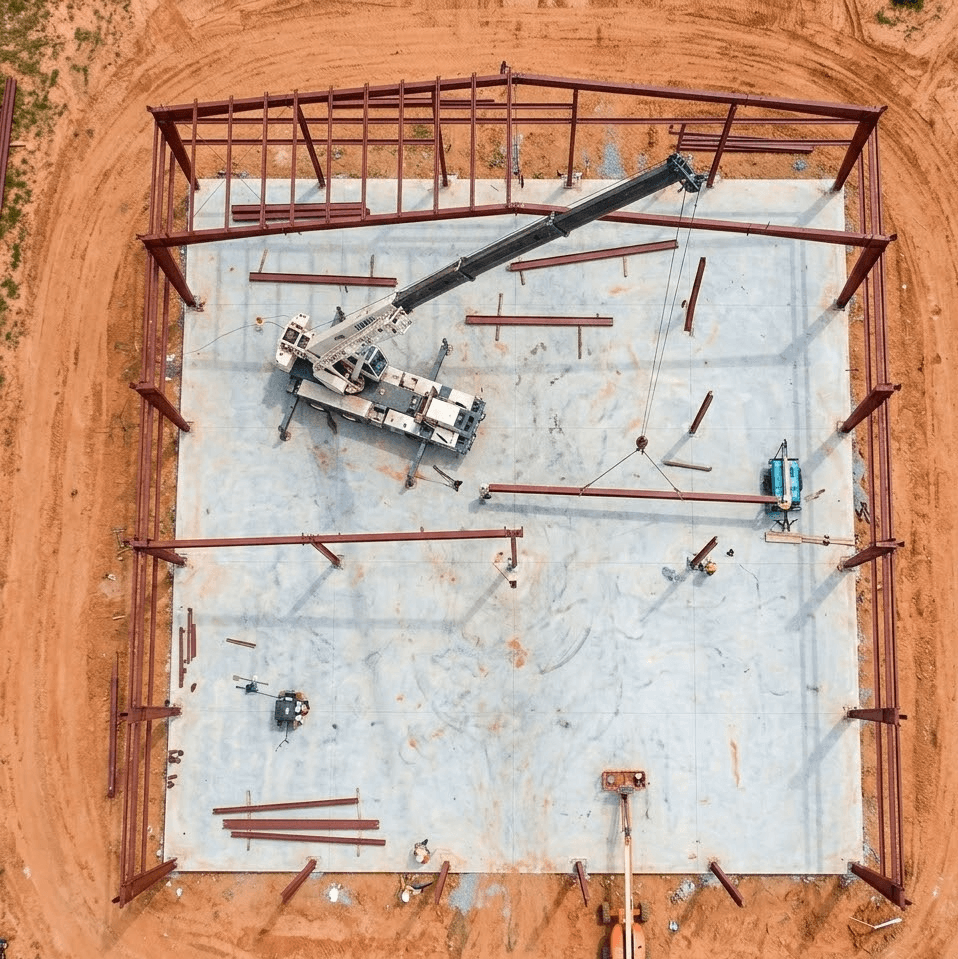
Steel erection can't start until the foundation is poured, cured, and the anchor bolts are verified. Site access for delivery trucks and crane setup needs to be planned. Wet, ungraded sites cause delays. Getting site prep done right and on time is one of the biggest factors in keeping your project on schedule.
5. Choose Your Erector Before You Order Steel
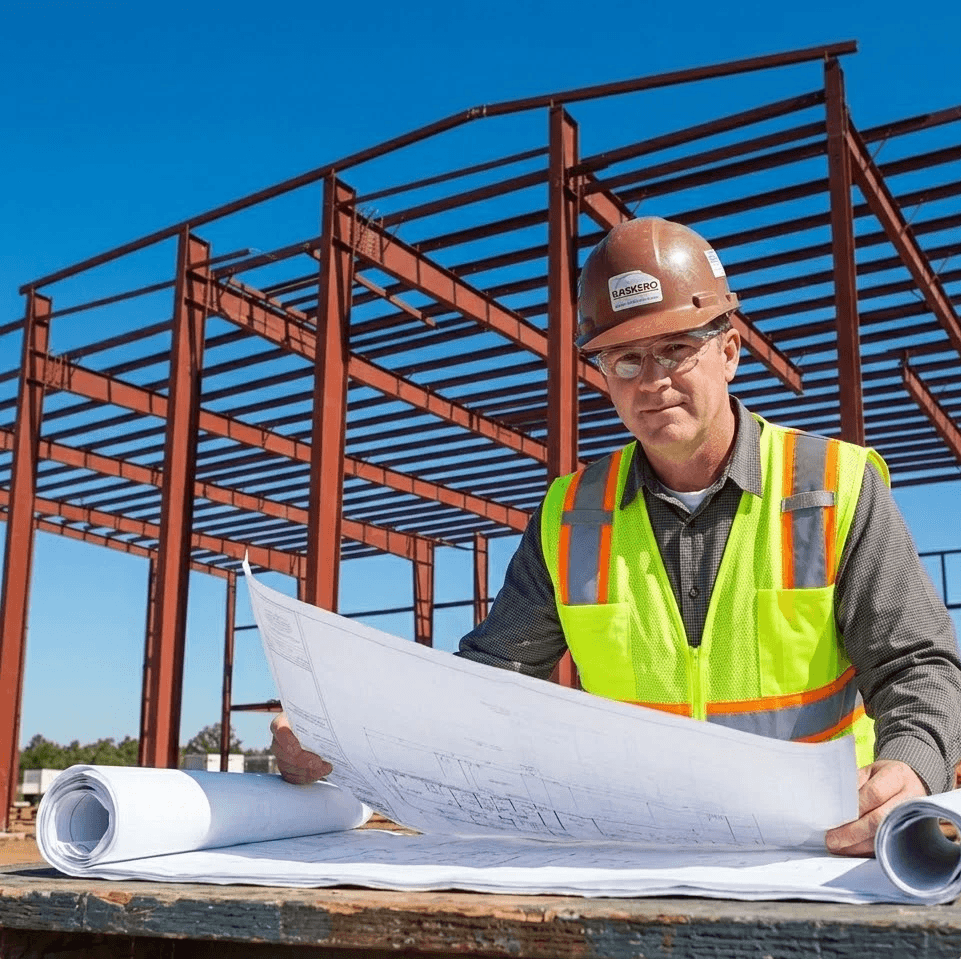
Too many building owners order a steel package and then scramble to find someone to put it up. Involving your erector early means they can review the drawings, flag potential issues, and coordinate the delivery schedule with their crew availability. This simple step prevents a lot of headaches.
A metal building is a big investment. A little preparation on the front end saves time, money, and frustration on the back end. Start with a clear plan, build the right team, and the rest falls into place.